
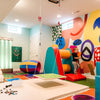
Autism-Friendly Sensory Corner at Home: Simple Setup Guide
, by Marrianne Parkes, 9 min reading time
, by Marrianne Parkes, 9 min reading time
This guide shows how to create an autism-friendly sensory corner at home, even in a small rental. Learn how to plan the space around your child’s goals, choose calming lighting, seating, textures and visual tools, reduce noise, and keep everything portable, safe and easy to clean, with simple after-school routines and maintenance tips.
A small, well-planned sensory corner can turn after-school chaos into a calm, dependable ritual. It does not need a spare room or a big budget. With a few portable pieces, you can create a soothing space that helps your child regulate from the Australian summer heat into cooler autumn afternoons.
Think of it as a quiet retreat, not a punishment zone. Your child chooses when to use it and what to explore. Keep it predictable, gentle and safe. Over time, the corner becomes part of your daily wind-down, especially after school or weekend sport.
Below is a practical, renter-friendly guide. It covers lighting, seating, textures, visual movement and sound. You will also find a step-by-step layout for tight spaces, a cleaning plan and a short checklist to make setup easy.
Before you shop, name the job the corner needs to do. Common goals:
Calm down after school and transition to homework or dinner
Reduce heat and noise fatigue at the end of a hot summer day
Offer safe tactile input without mess
Match the goal to the inputs you choose. Calm usually needs low light, slow visual flow, soft textures and predictable sound control.
Use a wall or the inside of a wardrobe nook. Aim for a footprint of about 1 metre x 1 metre. Follow these steps:
Mark the boundary. Use a low rug or foam mat as a clear start and finish. A small cotton rug or interlocking foam tiles work well and roll up for storage.
Choose one seat. Pick a floor cushion, beanbag or a compact rocking chair. If space is tight, a foldable floor chair can slide behind the sofa when not in use.
Add one light source. Use a clip-on warm LED lamp or a small projector on a timer. Keep brightness low and avoid strobe effects.
Provide two textures within reach. Think one smooth, one textured. Store them in a soft basket that tucks under the seat.
Include one visual-motion item. Slow-moving liquids or sand art guide breathing and focus without glare.
Manage sound at the edge. Hang a lightweight curtain panel or place a fabric room divider to dampen noise. Keep noise-reducing headphones on a hook.
Set a predictable routine. Two to five minutes of “arrive and breathe,” then quiet hands play for 10 to 15 minutes, then a gentle transition cue.
This plan keeps choices simple, reduces clutter and respects a small footprint.
Harsh light can spike arousal. Choose:
Warm white LEDs, dimmable if possible
A small lamp with a fabric shade
A projector with slow colour shifts, used on low brightness
Avoid blue-white, flashing or fast-fading effects. Use outlet timers so the light session ends gently without a jarring switch-off.
For daily use, pick seating that feels contained but not restrictive. Beanbags, floor nests and low rocking chairs work well. If your child seeks movement, a gentle rock can soothe. For renters, foldable or lightweight seats protect floors and pack away quickly.
Choose fabrics and tools that clean easily and avoid loose fibres:
Cotton knit blankets and jersey pillowcases
Microfibre throws for a smooth, cool touch in warmer weather
Short-pile plush for soft, warm input on cooler autumn nights
Food-grade silicone press pads for wipe-clean tactile play
Avoid scratchy wool, glitter-shedding fabrics and anything with small, detachable parts for unsupervised use. Always check age guidance and safety notes on product pages before therapeutic use.
Gentle visual flow supports regulation and breathing. Items like liquid timers, moving sand art and LED sand displays offer steady, predictable motion. Place them at eye level on a short shelf or use a stable lap tray. If you want portable visual tools that double as desk aids, consider options similar to liquid motion toys or sand art that run quietly and reset on their own.
Focus on removing noise rather than adding sound. Use:
Soft furnishings to absorb echoes
A simple curtain or fabric screen to create a pocket of quiet
Noise-reducing headphones for high-noise afternoons
If you use audio, keep it consistent and low. Nature sounds, or brown noise, can help, but silence is often best after a busy school day.
You can build the full setup without drilling:
Use 3M-style hooks for headphone storage and a light curtain
Choose clip-on lamps, foldable floor chairs and roll-up mats
Keep sensory items in a lidded basket that slides under a side table
Use a wheeled caddy to move the corner between the lounge and the bedroom
Everything packs away in minutes for inspections or visitors.
Start small. One visual-motion tool, one or two tactile items and one quiet fidget are enough. For pocketable options that support calm, explore our range of fidget toys. They are easy to clean and simple to store. You can browse a curated range of fidget toys and desk-friendly tools in our collection of sensory fidget toys. If you prefer variety, see our broader assortment of fidgets for different textures and mechanics. Shop the look or add to cart as you go.
Explore sensory fidget toys suited to quiet corners: https://sensorycircle.com.au/collections/287201951984
See more pocket fidgets and portable picks: https://sensorycircle.com.au/collections/287201951984
Find compact fidget toys that travel from school bag to sofa: https://sensorycircle.com.au/collections/287201951984
Note: Always check individual product pages for age recommendations, materials and care.
Daily:
Tidy the basket, wipe down silicone and plastic items with a damp cloth, and air soft items.
Weekly:
Wash removable covers on cold or warm, line dry to protect fibres
Vacuum the rug or tiles to remove sand and crumbs
Clean lights and visual-motion tools with a soft, dry cloth
Monthly:
Inspect seams, zips and beads for wear
Rotate textures to keep interest while staying predictable
Refresh the routine to match season shifts from summer to autumn
Always follow care guidance on product pages, especially for items with fillings or electronics.
Defined space: rug or foam tiles
One seat: beanbag or foldable floor chair
Low, warm light on a timer
Two safe textures within reach
One slow visual-motion tool
Noise control: soft furnishings and headphones
Storage: soft basket or wheeled caddy
Clear routine: arrive, breathe, fidget, finish
Shoes off and a cool drink to beat the heat
Two minutes of quiet breathing while watching a slow visual flow
Five to ten minutes of tactile play with a preferred fidget
Gentle transition cue, then move to snack or homework
Keep language short and calm. Offer choices, not commands.
How do I build a sensory corner in a small space?
Use a 1 metre x 1 metre footprint. Mark a rug boundary, add one seat, one warm light, two textures, one visual-motion item and simple sound control. Store everything in a basket.
Which products provide calming visual input?
Choose slow liquid timers, moving sand art, and low-brightness LED sand displays. Prioritise steady, predictable motion over colour flashes.
What textures are safe for daily use?
Cotton knit, microfibre and short-pile plush are reliable. Add food-grade silicone press pads for wipe-clean tactile input. Avoid loose fibres and glitter-shed.
How can I make it renter-friendly?
Use removable hooks, clip-on lamps, foldable seating and roll-up mats. Store items in a caddy so the corner packs away fast.
How do I maintain and clean the setup?
Daily wipe-downs, weekly washing of covers and monthly safety checks. Follow the care notes on each product page.
A calm sensory corner does not need much space or spending. Start with one seat, one soft light, two textures and one slow visual tool. Keep it portable and easy to clean, and build a simple after-school routine that works in summer and carries into autumn. When you are ready, shop the look, add to cart, and subscribe for practical tips and new arrivals tailored to quiet, calming play.