
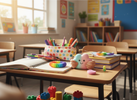
Classroom-Friendly Fidgets for Teens | Quiet Focus Tools
, by Marrianne Parkes, 2 min reading time
, by Marrianne Parkes, 2 min reading time
When it comes to supporting teens with ADHD, autism, or anxiety, the right fidget can make a world of difference in the classroom. But not all fidgets are created equal—and not every tool is teacher-approved! At Sensory Circle, we’ve seen firsthand how a simple, quiet fidget can help teens focus, regulate, and feel less overwhelmed in busy Australian classrooms.
Classrooms can be full-on: bright lights, constant noise, lots of movement, and the pressure to sit still for long stretches. For teens who are neurodivergent, these environments can be exhausting.
Fidgets offer a discreet, positive outlet for:
Restlessness
Anxiety
Focus challenges
Sensory overload
But the key is choosing a fidget that helps without distracting everyone else.
We recommend fidgets that are:
Quiet: No loud clicks or rattles
Discreet: Small enough to fit in a pocket or hand
Durable: Built to survive daily use
Simple: Easy to use without looking
Non-distracting: Not visually flashy or likely to be thrown
Our Fidgets collection is handpicked with these needs in mind—tested by real teens and families in Australian schools.
Fidget Rings: Silent, wearable, and easy to use under a desk. Great for anxiety, nail-biting, or skin-picking habits.
Squishies: Soft, calming pressure for the hand. Just make sure it’s not too bouncy or silly for school!
Small Spinners: Only if they’re quiet and can be used below desk level. We recommend setting clear boundaries (e.g., “if it’s a distraction, it goes away”).
Talk with teachers first: Share why your teen uses a fidget (focus, regulation, not play).
Set expectations: “This helps me focus. If it distracts, I’ll put it away.”
Keep a backup: Teens often lose fidgets, so having a spare in their bag is smart.
Keep one fidget in the pencil case and one in the pocket.
Use fidgets during transitions (start/end of lessons, assemblies, group work).
Choose a fidget that doesn’t stand out—teens are more likely to use it consistently.
Explore our Fidgets collection for quiet, durable, and teacher-approved options. We’re here to help you find the right fit for your teen—because we know every classroom (and every student) is different.