
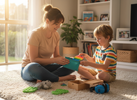
How to Build a Calm-Down Kit With Fidgets for Kids
, by Marrianne Parkes, 16 min reading time
, by Marrianne Parkes, 16 min reading time
Learn how to build a calm-down kit with fidgets for kids using simple, practical sensory tools that support regulation at home, school, and on the go.
When big feelings hit, having the right tools close by can make a real difference. At Sensory Circle, we know that many children do better when they have simple, familiar sensory supports ready to use. That is where a calm-down kit can help.
A calm-down kit is a small collection of sensory tools that a child can use when they feel overwhelmed, anxious, frustrated, restless, or dysregulated. It is not about “fixing” emotions or expecting children to calm down on command. It is about giving them supportive options that help their bodies and minds feel safer and more settled.
For many families, fidgets are one of the easiest and most practical places to start. They are portable, simple to use, and can offer tactile input that supports focus, comfort, and regulation.
A calm-down kit is a personalised set of items chosen to help a child regulate during stressful moments. Some families keep one at home, one in the car, and one in a school bag. Others create a kit for specific situations, such as bedtime, homework, appointments, or transitions.
A good calm-down kit is:
· Easy for the child to access
· Filled with safe, familiar items
· Matched to the child’s sensory preferences
· Simple enough to use without too many choices
· Flexible for different environments
There is no single perfect version. The best calm-down kit is the one your child will actually use.
Fidgets can help children channel nervous energy, stay grounded, and focus on a sensory input that feels predictable. For some children, this can reduce the intensity of overwhelm. For others, it can simply create a small pause that helps them feel more in control.
Depending on the child, fidgets may support:
· Stress relief during anxious moments
· Focus during homework or quiet tasks
· Regulation during transitions
· Comfort in unfamiliar environments
· Reduced restlessness while waiting
· A safer outlet for repetitive hand movements
If you are looking for options to include, you can explore our Fidgets collection for tools that work across different ages and needs.
Before filling a kit, think about what your child naturally reaches for when they are unsettled. Do they like squeezing, stretching, spinning, rubbing, chewing, or holding something soft?
Ask yourself:
· Do they prefer soft or firm textures?
· Do they seek movement in their hands?
· Do they like repetitive actions?
· Do they avoid noisy or bright items?
· Do they need tools that are discreet for school or outings?
This step matters because a calm-down kit works best when it reflects the child, not just what looks good in theory.
It can be tempting to include everything, but too many options can feel overwhelming. We usually recommend starting with a small mix of 3 to 5 core items.
A balanced kit might include:
· One squeeze fidget for pressure and release
· One stretch or pull fidget for active hands
· One smooth or textured item for rubbing or tracing
· One quiet fidget for school, appointments, or travel
· One comfort item that feels familiar and reassuring
The goal is variety without overload.
Fidgets can be the foundation, but many calm-down kits work even better with a few extra supports.
You might add:
· Noise-reducing earmuffs or headphones
· A small visual cue card with calming choices
· A soft cloth or comfort item
· A drink bottle
· A simple breathing prompt card
· A favourite scent item if appropriate and safe
These extras can help the kit feel more complete, especially for children who need support across more than one sensory area.
A home calm-down kit can be a little bigger and more flexible. A school kit usually needs to be quieter, smaller, and easier to store. A travel kit may need durable items that can handle being packed into a bag.
Here are a few examples:
· Soft squeeze fidget
· Stretchy tactile fidget
· Comfort plush or soft item
· Headphones or earmuffs
· Calm choice card
· Quiet hand fidget
· Smooth pocket-sized tactile tool
· Small visual routine or break card
· Discreet regulation item that fits in a pencil case
· Durable fidget ring or small hand fidget
· Compact squishy
· Headphones
· One familiar comfort item
Keeping the environment in mind helps the kit stay practical.
One of the most helpful things you can do is introduce the calm-down kit during a calm moment. Let your child explore the items when they are relaxed, curious, and open to trying them.
You can:
· Show them where the kit lives
· Practise choosing one item at a time
· Talk about how different tools feel
· Use simple language like “This can help when your hands need something to do”
· Model using calming tools yourself
If the first time a child sees the kit is during a meltdown or high-stress moment, it may be harder for them to engage with it.
A calm-down kit is not set-and-forget. Children’s needs change, and some items will be more helpful than others.
Pay attention to:
· Which items they choose most often
· Which tools seem to help them stay regulated longer
· Which items they ignore or dislike
· Whether the kit is too full or too limited
· Whether the tools suit their age and stage
It is completely normal to swap things in and out over time.
When building a calm-down kit, a few small changes can make it more effective.
Try to avoid:
· Adding too many items at once
· Choosing tools based only on what is trendy
· Using the kit only after behaviour has escalated
· Expecting every item to work in every situation
· Forgetting to involve the child in the process
The most useful kits are simple, familiar, and personalised.
When children have sensory tools ready to go, stressful moments can feel a little more manageable for everyone. A calm-down kit does not remove every hard moment, but it can create more opportunities for connection, co-regulation, and confidence.
At Sensory Circle, we believe practical sensory support should feel realistic for everyday family life. If you are putting together a calm-down kit and want flexible options for home, school, or outings, take a look at our Fidgets collection to find tools that suit different sensory preferences and ages.
A calm-down kit does not need to be perfect. It just needs to be supportive, easy to reach for, and built around what helps your child feel safe and understood.