
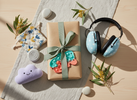
Sensory Gifts That Feel Thoughtful (Not Generic) for Neurodivergent Kids and Teens
, by Marrianne Parkes, 13 min reading time
, by Marrianne Parkes, 13 min reading time
Looking for sensory gift ideas that actually get used? Here are thoughtful sensory gifts for neurodivergent kids and teens, plus easy tips for choosing the right fit.
Buying gifts for neurodivergent kids and teens can feel surprisingly tricky.
You want something that feels fun and special… but also something they’ll genuinely use. You might be shopping for a birthday, Christmas, a school reward, a “you’ve had a big week” surprise, or a supportive gift for a child who’s going through a tough patch.
At Sensory Circle, we hear this all the time: “I don’t want to buy another random toy that ends up in a pile.” Totally fair.
A thoughtful sensory gift isn’t about being expensive or “perfect”. It’s about matching the gift to the child’s sensory needs, interests, and daily life.
Below are practical sensory gift ideas that feel personal (not generic), plus tips to help you choose with confidence.
A sensory gift feels thoughtful when it:
· Solves a real-life moment (school stress, noisy outings, bedtime, waiting rooms)
· Matches the child’s sensory preferences (touch, sound, movement, visual input)
· Feels age-appropriate (especially for tweens and teens)
· Is easy to use (no complicated setup)
· Supports regulation without shame (it’s a tool and it’s cool)
If you’re not sure what they prefer, think about what they naturally seek:
· Do they chew?
· Do they fidget constantly?
· Do they avoid noise?
· Do they love lights and visual calm?
· Do they crave pressure and “squish”?
Those clues are usually the best starting point.
A small set of quiet, tactile fidgets can be a genuinely useful gift—especially when it’s framed as a toolkit rather than a toy.
Great for:
· School bags
· Homework time
· Car rides and appointments
· Social situations (something to do with hands)
If you’d like to build a simple set, you can start with a few options from our Fidgets collection and choose a mix of textures (soft, smooth, textured).
Some kids regulate best through visual input—watching something repetitive, gentle, and predictable.
Ideas include:
· A visual sensory lamp for a bedroom or calm corner
· Soft, warm lighting for wind-down
· A small “quiet corner” setup with a cushion + visual calm
This kind of gift can be especially helpful for kids who feel anxious at night or struggle to switch off.
Noise sensitivity can make everyday life exhausting. A gift that reduces sound overwhelm can feel like a life-changer.
Ideas:
·. Kids earmuffs for shopping centres, events, and school assemblies
· Comfortable headphones for travel or appointments
· A simple “sound plan” kit (earmuffs + a small pouch + a calm playlist)
For kids who seek pressure, squishy sensory items can be supportive and comforting.
Great for:
· After-school decompression
· Emotional regulation during big feelings
· Bedtime wind-down
Tip: choose items that feel durable and satisfying to squeeze (not flimsy).
If a child chews sleeves, pencil ends, collars, or toys, a safe chew tool can be a very thoughtful gift—because it meets a real need.
This can help with:
· Reducing damage to clothing and school supplies
· Supporting focus during learning
· Helping kids feel calmer when anxious
Teens often want tools that don’t draw attention. The most thoughtful gifts for teens are usually discreet and practical.
Look for:
· Neutral colours
· Quiet, pocket-sized fidgets
· One-handed tools they can use in public
You can even package it as a “study kit” or “stress kit” rather than a sensory product.
You don’t need fancy wrapping. A few small touches make it feel thoughtful.
A short note can reframe the gift as support:
· “For busy hands and big days.”
· “For calm in your pocket.”
· “For after school when your body needs a reset.”
Instead of “Here’s a sensory toy,” try:
· “This is for car rides.”
· “This is for homework time.”
· “This is for when school feels loud.”
Kids (and teens) often accept tools more easily when they have a clear purpose.
A small pouch with 2–3 items can feel more special than a single item.
A simple kit might include:
· One quiet fidget
· One comfort item (small plush or soft texture)
· One support based on their needs (earmuffs, chew tool, visual calm)
This isn’t about judgment—just practicality.
· Very noisy fidgets (often become “too much” fast)
· Overly childish designs for teens (can feel embarrassing)
· Huge kits with too many options (overwhelming)
· Anything that looks like a toy weapon or could be thrown (school issues)
When in doubt, go smaller, quieter, and more age-appropriate.
A thoughtful sensory gift doesn’t have to be complicated.
When you choose something that matches a child’s sensory needs and fits into their real day-to-day life, it becomes more than a present—it becomes support.
If you’d like to build a calm, practical gift set, you can browse our Fidgets collection and choose a few quiet favourites that work for school, home, and on the go.
Because the best gifts aren’t just fun—they make life feel a little easier.