
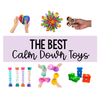
Sensory support for anxiety: calm-down kits you can build today
, by Marrianne Parkes, 10 min reading time
, by Marrianne Parkes, 10 min reading time
Anxiety can spike fast. A small, well-planned kit puts regulation tools in reach before overwhelm takes hold. You do not need expensive gear. Start with a few textures that feel good in your hands, add one visual focus, and include a clear plan for where you will use it.
This guide shows you how to build three kit sizes for home, school, work and travel. You will learn how textures and visuals support down-regulation, which items are quiet for meetings and classrooms, and how to choose for sensory seeking vs. sensitivity. Age guidance and safety are included, plus a printable checklist you can download and use today.
Ready to set yours up in 15 minutes? Pick a kit size below, then add to cart the pieces you want, download the checklist, and create an account to save your picks for later.
When anxiety rises, your nervous system is scanning for threat. Repetitive touch and predictable visuals give your brain a stable signal. That steady input can slow breathing, lower muscle tension and bring attention back to a single task.
Tactile input supports grounding. Smooth, squishy, textured, or resistive items provide tactile feedback to the hands, often calming the body.
Visual flow helps focus. Slow-moving liquids or sand create a rhythm your eyes can track, which reduces cognitive noise.
Small movement patterns regulate arousal. Spinning, clicking or gentle squeezing provides a controlled outlet so energy does not build.
Choose one tactile, one visual, and one movement item to cover most situations.
Mini kit (pocket): 3 to 5 items that fit in a pocket or small wallet. Best for bus rides, lectures, waiting rooms and quick breaks.
Core kit (pouch): 6 to 10 items in a pencil case or zip pouch. Good for school bags, work totes and glove boxes.
Home kit (box): A shoebox or caddy with a broader mix for evening wind-down and recovery after tough days.
Pocket-size picks should be silent, durable and easy to clean.
One silent fidget: an infinity cube or a small metal puzzle for discreet movement.
One squish: a teenie gel ball or small, slow-rising squishy for firm squeezes without noise.
One texture swatch: a short strip of silicone “picky” pad or a small fabric square sewn with two textures.
One visual focus: a tiny liquid timer pen or a mini sand picture if you prefer looking over touching.
One breath cue: a credit-card-sized breath square you can trace with a finger.
Explore compact, quiet options in our curated range of fidget toys and sensory fidget toys. When you find a match, add to cart.
Build range without bulk. Aim for one of each category and keep the classroom and meeting safe.
Pressable silicone: a thin, soft pop pad with shallow bubbles for near-silent pressing.
Smooth spinner or glide: a balanced spinner or a glide-click keycap that stays quiet under light pressure.
Hand strength: a soft-grip trainer or a small resistance ring for deep squeezes under the desk.
Visual calm: a palm-sized liquid timer or mini moving sand art for short visual breaks.
Texture variety: a soft squishy, a slightly bumpy noodle and a smooth stone to cover preferences.
Self-care add-ons: lip balm or unscented hand cream for interoceptive grounding.
Discreet items for work or uni include an infinity cube, a balanced spinner with no rattle, a thin silicone press pad, and a small liquid timer you can set on the desk. See our collection of fidgets for office-friendly choices, then add to cart and create an account to save your kit.
At home, you can include larger and more varied tools.
Bigger squish options: jumbo balls or plush-jelly hybrids for two-hand squeezes.
Visual corner: sand art or a liquid display that runs for a few minutes to support longer breathing sets.
Movement break: a stretchy noodle or expanding ball for full arm movement.
Cognitive focus: a simple puzzle to shift attention and slow racing thoughts.
Comfort item: a soft, reversible plush for hugs or emotion cues.
Store this box where you usually decompress, like a bedside table or lounge shelf.
Match input to need. You can be a seeker in one sense and sensitive in another, and need to change day to day.
Sensory seeking: look for strong, noticeable input. Try high-resistance grips, crunchy or bumpy textures, slightly heavier squishies, and spinners with smooth but definite momentum. Visuals with bold contrast or defined drip patterns can help.
Sensitivity: choose gentle, predictable input. Go for smooth silicone, soft slow-rising foam, low-resistance squeeze balls, and near-silent pressables. Visuals should be soft colours and slow flow.
If unsure, start soft. You can add intensity later by layering a firmer grip trainer or a textured surface.
Silence first, movement second. Good picks include:
Thin silicone press pads with shallow bubbles
Infinity cubes with tight hinges
Balanced spinners that do not rattle
Small resistance rings for silent squeezes
Avoid clickers, bead rattles and crinkly plastics during quiet times. For discreet shopping, browse our office and classroom-friendly sensory fidget toys collection and add to cart the quiet versions you prefer.
Most regulation tools do not need power. Try silicone pop pads, squeeze balls, textured noodles, spinners, infinity cubes, liquid timers, sand art and metal disentanglement puzzles. Non-electronic tools are travel safe, classroom ready and low maintenance.
Under 3 years: avoid small parts and detachable beads. Choose large, one-piece items and supervise at all times.
Ages 3 to 6: select durable, non-toxic materials. Teach gentle use and safe mouthing rules.
Ages 7+: offer choice and responsibility. Review school rules for fidgets.
Teens and adults: prioritise discreet, purpose-fit tools for study, work and driving breaks.
General safety: check product pages for age ratings and materials. Inspect often for splits or leaks. Replace damaged items. For slime or gels, keep away from fabrics and hair.
Storage: Use a zip pouch for the core kit and a lidded box for home. Keep liquids upright. Separate sticky items in small zip bags.
Cleaning: wipe silicone and plastic with mild soap and warm water, then air dry. Spot clean plush exteriors. For gel balls and squishies, use a damp cloth and avoid harsh chemicals. Always check the product page for specific instructions.
Pick your size: Mini, Core or Home.
Choose one tactile, one visual and one movement item.
Add a silent backup for meetings.
Pack in a pouch or box. Add a breath card.
Place it where you will use it: pocket, bag, desk drawer or bedside.
Download the checklist to print the full list and tick off as you go. Ready to personalise with curated tools? Start with our Australian range of fidget toys and add to cart your favourites.
Explore compact and quiet fidgets for pockets and desks in our fidgets collection: sensorycircle.com.au/collections/287201951984
See more textures and visual tools across sensory fidget toys to round out your kit: sensorycircle.com.au/collections/287201951984
Create an account to save your kit, track orders, and access fast reorders when you need a spare.
What should be in a pocket-sized calm-down kit? Choose 3 to 5 items that are silent and strong: a small infinity cube or spinner, a mini squishy, a thin silicone press pad, a tiny liquid timer or sand picture, and a breath-tracing card.
Which items are discreet for work or uni? Use near-silent press pads, balanced spinners, infinity cubes with tight hinges and soft resistance rings. Avoid clickers and rattles.
How do I choose textures for sensory seeking vs. sensitivity? For seekers, select firmer, bumpier and heavier options with strong feedback. For sensitivity, pick smooth, soft and predictable textures with gentle resistance.
Are there non-electronic options? Yes. Most tools in this guide are non-electronic, including silicone pressables, squishies, spinners, noodles, liquid timers and sand art.
How do I store and clean items safely? Use zip pouches and lidded boxes, keep liquids upright, and separate sticky items. Clean with mild soap and warm water unless the product page states otherwise. Inspect and replace worn items.
Small, well-chosen sensory tools can interrupt anxiety and help you reset at home, school, work and on the go. Start with a Mini kit today, then build up to a Core pouch or Home box as you learn what works. Download checklist to keep it simple, browse our curated fidget toys to find your mix, Add to cart, and Create account to save your kit for next time.