
Sensory Tools for Adults at Work (Discreet Supports for Focus, Stress and Meetings)
, by Marrianne Parkes, 12 min reading time
, by Marrianne Parkes, 12 min reading time
Looking for sensory tools for adults at work? Try discreet supports for focus, stress, and meetings, plus simple ways to reduce sensory overload in the workplace.
If you're an adult who gets overwhelmed at work, youre not being dramatic, you're noticing what your nervous system can (and can't) tolerate.
Workplaces are full of sensory input: fluorescent lighting, background chatter, strong perfumes, uncomfortable clothing, constant notifications, and the pressure to perform while staying normal.
For autistic adults, ADHDers, highly sensitive people, and anyone living with anxiety, those inputs can add up fast.
At Sensory Circle, were big on practical supports you can actually use in real life. This post shares sensory tools for adults at work, discreet options for focus, stress, and meetings, plus small environment tweaks that can make a big difference.
Sensory tools are not toys. Their regulation supports.
Used well, they can help you:
· stay grounded during stress
· reduce anxious habits (skin picking, nail biting)
· focus during reading, writing, or calls
· recover faster after sensory overload
· handle transitions (commute work meetings)
The goal is not to fix you. It's to support your nervous system so you can do your job with less friction.
A small, quiet fidget can help with:
· listening in meetings
· staying focused during admin tasks
· reducing restless energy
· managing anxiety during difficult conversations
The best work-friendly fidgets are:
· silent (no clicking)
· small enough to fit in a pocket
· simple to use without looking
If you're exploring options, our Fidgets collection includes calm, discreet tools that can suit adults as well as teens.
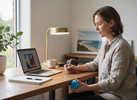
Some people do better with a sensory item that stays on the desk rather than being held.
Examples:
· a small textured item you can rub with your thumb
· a soft squeeze tool you keep beside your keyboard
· a smooth object that feels grounding
These can be especially helpful during tasks that require sustained attention.
Noise is one of the biggest workplace triggers.
Options include:
· noise-reducing earmuffs (if appropriate for your setting)
· headphones with a familiar playlist
· white noise or ambient sound
Tip: If you're worried about how it looks, choose low-profile headphones and frame it as a focus tool.
Harsh lighting can drain you without you even realising.
Small changes that can help:
· switching off overhead lights when possible
· using a warm desk lamp
· sitting away from flickering lights
· adjusting screen brightness and using a blue light filter
If you chew pens, bite nails, or clench your jaw, you're not alone.
Some adults find that having a safe oral option (or a substitute habit like sipping water through a straw) reduces stress behaviours.
If chewing is intense, it can be worth chatting with an OT for personalised strategies.
Meetings can be a sensory and social overload.
Try:
· a quiet fidget in your pocket
· sitting near the edge of the room (easier exit)
· taking notes (gives your body a job)
· headphones before and after to regulate
Try:
· holding a small tactile tool out of view
· standing during the call (movement helps)
· doing slow breathing while your hands fidget
Try:
· noise reduction
· a tactile desk anchor
· a timer (25 minutes on, 5 minutes off)
· a short movement break before you start
Commutes are a transition, and transitions can be the hardest part.
Try:
· headphones for predictable sound
· a fidget for the train/car passenger seat
· a decompression buffer before you start work (even 3 minutes)
If you're worried about judgment, keep it simple:
· choose discreet tools
· use them consistently (so its not a big moment)
· frame it as a focus or stress-management support
You do not owe anyone a diagnosis to use tools that help you function.
Work can be overwhelming when your nervous system is constantly on alert. Sensory tools are a practical way to reduce stress and support focus, especially when theyre quiet, discreet, and paired with small environment tweaks.
If you'd like to start simple, choose one calm option from our Fidgets collection and keep it where you need it most (desk drawer, bag, or pocket). Small supports can make work feel a lot more manageable.