
Sensory Tools for Sleep: Calming Supports for Kids Who Can’t Switch Off
, by Marrianne Parkes, 4 min reading time
, by Marrianne Parkes, 4 min reading time
Bedtime battles? These sensory tools and simple routines can help kids feel calmer and fall asleep more easily—without turning nights into a fight.
If bedtime feels like a nightly battle, you’re not imagining it—sleep can be genuinely hard for sensory-sensitive kids.
Some kids can’t tolerate pyjamas or sheets. Some get “buzzy” the moment the lights go out. Some feel anxious, restless, or overwhelmed by the quiet.
The goal isn’t a perfect bedtime routine. It’s a nervous system that can downshift.
Here are sensory tools and practical strategies that can help kids who can’t switch off.
At night, kids lose their usual regulatory supports:
· Movement
· Distraction
· Predictable structure
· Daytime noise that masks small sounds
For some kids, bedtime is when their body finally notices everything.
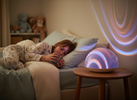
A gentle visual sensory lamp can signal “safe and sleepy” and help kids focus on something soothing.
Tip: Use it for 10–15 minutes, then dim the room further.
Some kids settle faster when their hands have a small, quiet job.
Tip: Choose a silent fidget and keep it as a “bed-only tool.”
Soft tactile tools can support kids who seek touch input or feel anxious.
Tip: Pair with a short script: “Your hands can be busy while your body rests.”
If your child is sensitive to household noise (TV, siblings, traffic), earmuffs can help during the wind-down phase.
1. Lower the lights (same time each night)
2. Choose one tool (lamp or fidget—don’t overcomplicate)
3. One connection moment (2 minutes of calm attention)
4. Same script (“You’re safe. Your body can rest now.”)
5. Gradual fade (less talking, less input)
If sleep issues are severe, persistent, or affecting the whole family, chat with your GP or an occupational therapist. Sometimes sleep needs a bigger plan.
We stock calming, practical fidgets that can support wind-down—especially for kids who need their hands busy to help their body rest.
Browse our Fidgets collection here: